


Swedish film – 10 acts to know
How many of these Swedish film acts do you know?
1. Alexander Skarsgård
Alexander Skarsgård is a big name in Swedish film – and abroad. His US breakthrough came via his portrayal of vampire Eric Northman in the HBO series True Blood (2008–2014).
Throughout his career, Skarsgård has moved quite freely between series and the big screen. Here are some of the roles he's played in international productions:
- Tarzan in The Legend of Tarzan (2016).
- Nicole Kidman’s abusive husband in Big Little Lies (2017–2019), a series that earned him a Golden Globe nomination.
- The lead role as Dr. Lind in MonsterVerse film Godzilla vs Kong (2021).
- Guest role as the confrontational tech founder Lukas Mattsson in Season 3 and 4 of Succession.
- Amleth, a Viking prince who seeks revenge against an uncle who murdered his father in Robert Eggers' thriller The Northman (2022). Hamlet similarities? Quite a few. Co-stars include Nicole Kidman, Ethan Hawke, Willem Dafoe and Björk.
- Novelist James Foster in science fiction horror film Infinity Pool (2023), written and directed by Brandon Cronenberg.
- English artist Roland Penrose in Lee (2023), a biographical film about the female pioneer Lee Miller, portrayed by Kate Winslet.
Gender equality-rating of film
A-rating is a campaign initiated in Sweden to rate films based on how gender equal they are. To get A-rated ('A' for 'Approved Bechdel Wallace Test'), a movie must have at least two named female characters who talk to each other about something other than a man.
2. Alicia Vikander
Alicia Vikander is a Swedish film star and an Academy Award winner, having bagged the Best Supporting Actress statuette in 2016 for her portrayal of artist Gerda Wegener in The Danish Girl. But Vikander’s star is still on the rise.
‘I just think of these once-in-a-generation actresses who kind of explode onto the scene and what strikes me about her is I can’t see where her limits are,’ Matt Damon said after acting with her in Jason Bourne.
Raider of tombs, royalty, artist, agent, humanoid robot – there doesn’t seem to be a role that Vikander can’t master. Here are some of the productions she's featured in:
- In 2021: Beckett, a Netflix thriller about a holidaying couple who get entangled in a violent conspiracy in Greece; Blue Bayou, a deportation drama about a Korean–American man who gets haunted by his past; The Green Knight, a fantasy version of the medieval story of Sir Gawain and the Green Knight.
- In 2022: Irma Vep, an HBO mini-series loosely based on the French art film of the same name (from 1996).
- In 2023: Firebrand, a Tudor drama with Jude Law as King Henry VIII. Vikander plays Catherine Parr, King Henry VIII’s sixth and last wife.

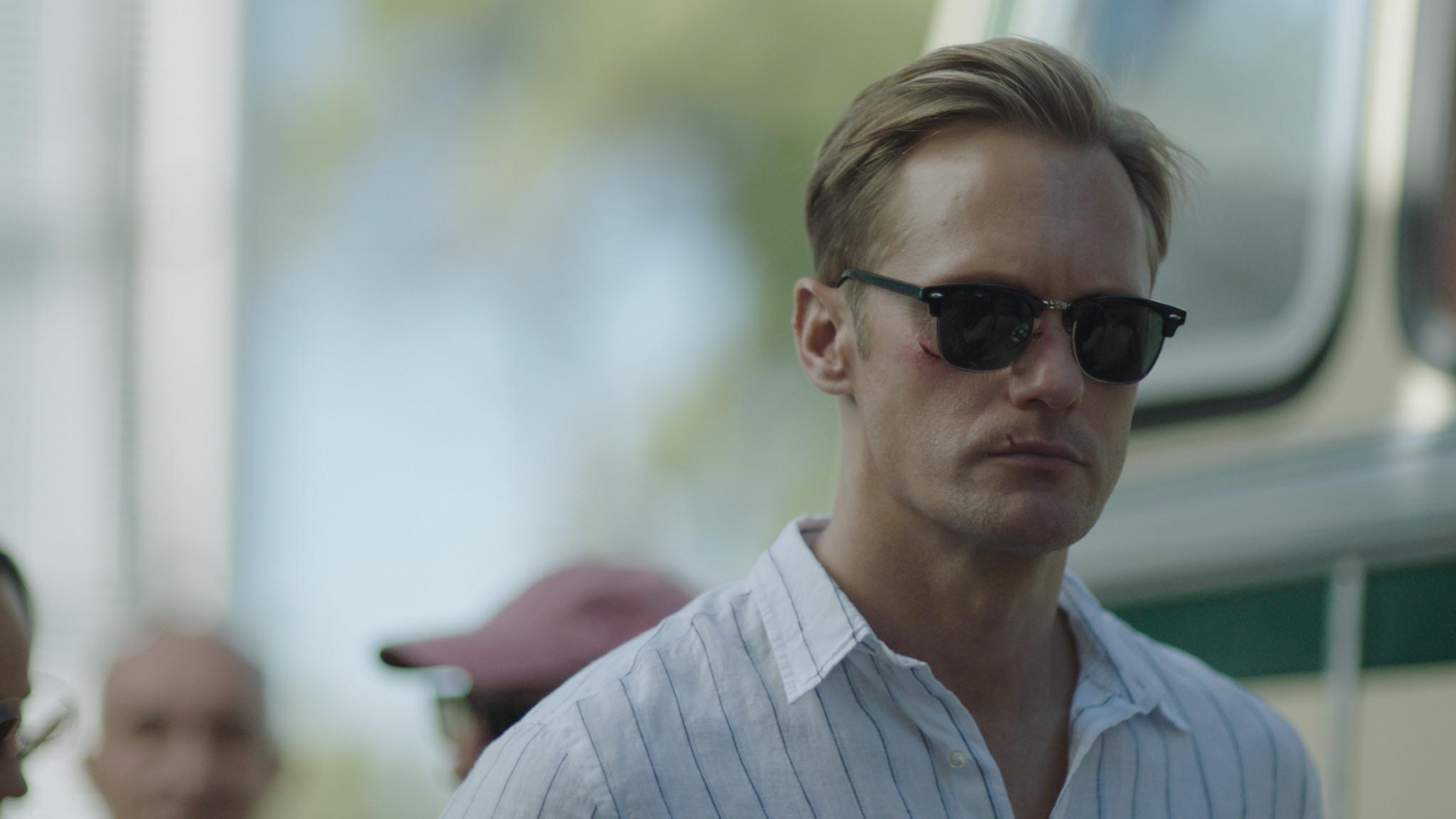
Alexander Skarsgård as James Foster in Infinity Pool. Photo: Universal Pictures

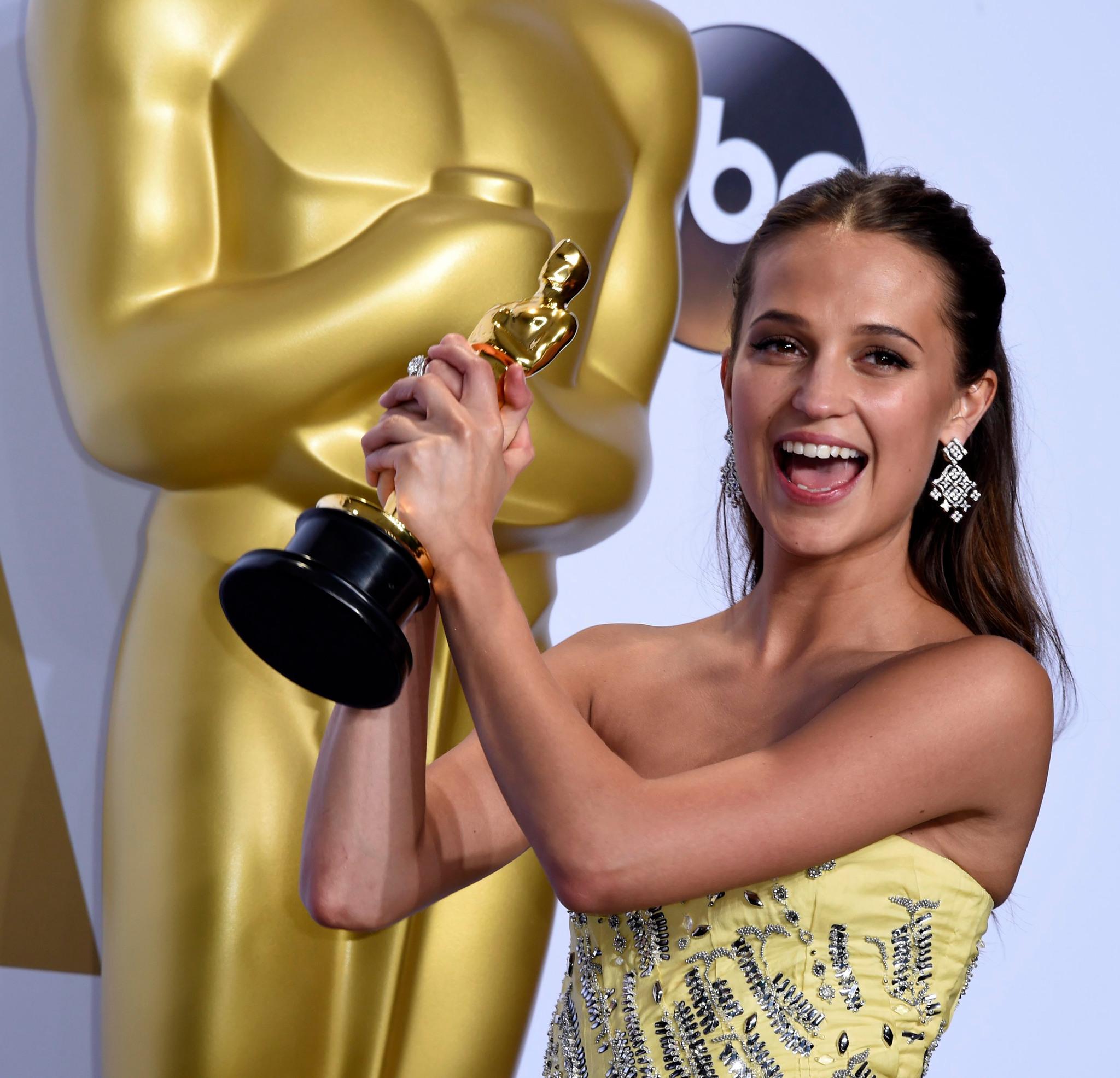
Alicia Vikander with her 2016 Oscar. Photo: Paul Buck/EPA/TT

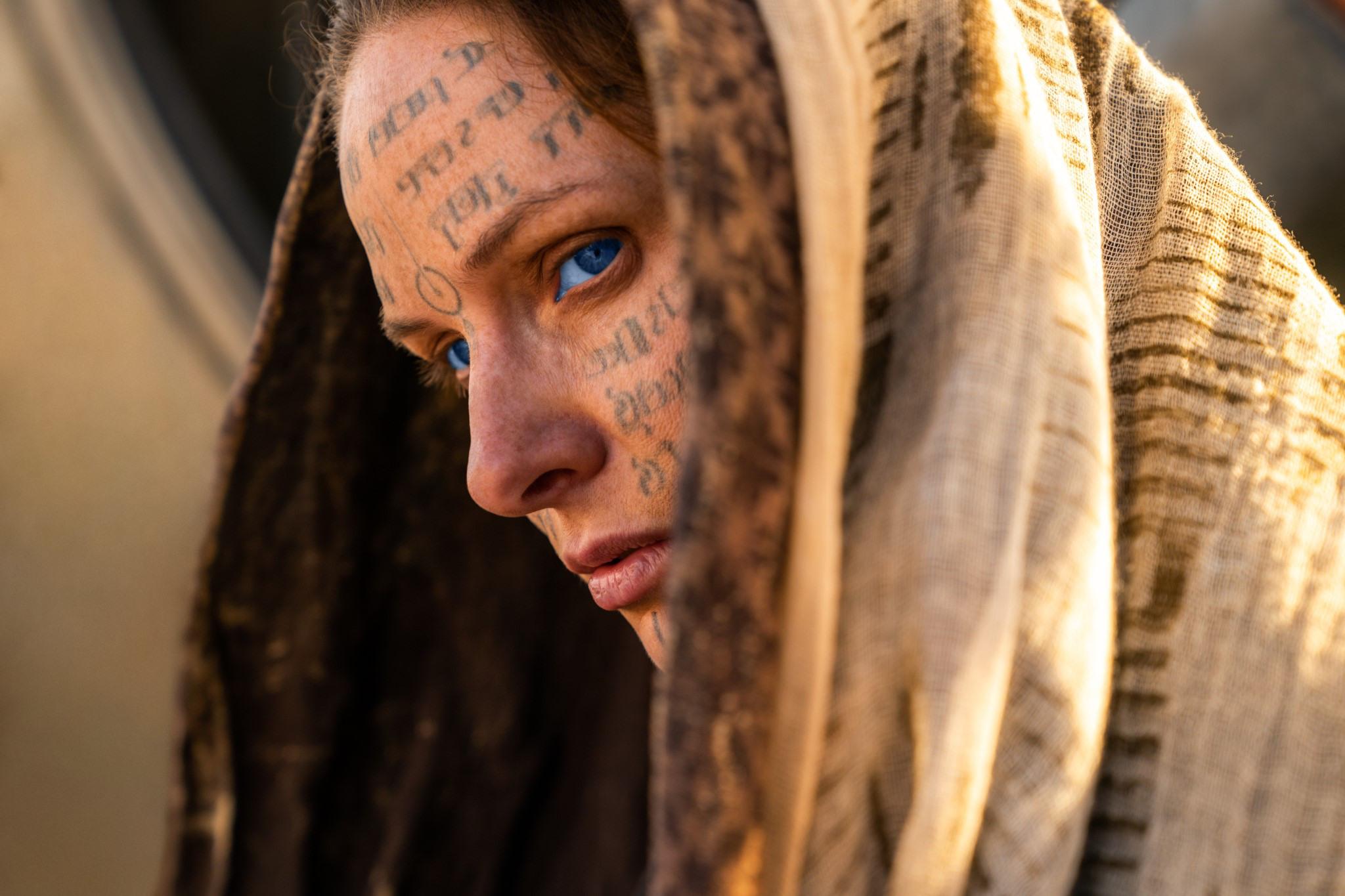
Rebecca Ferguson in Dune: Part Two (2024). Photo: TM © Warner Bros. Entertainment Inc. All Rights Reserved.

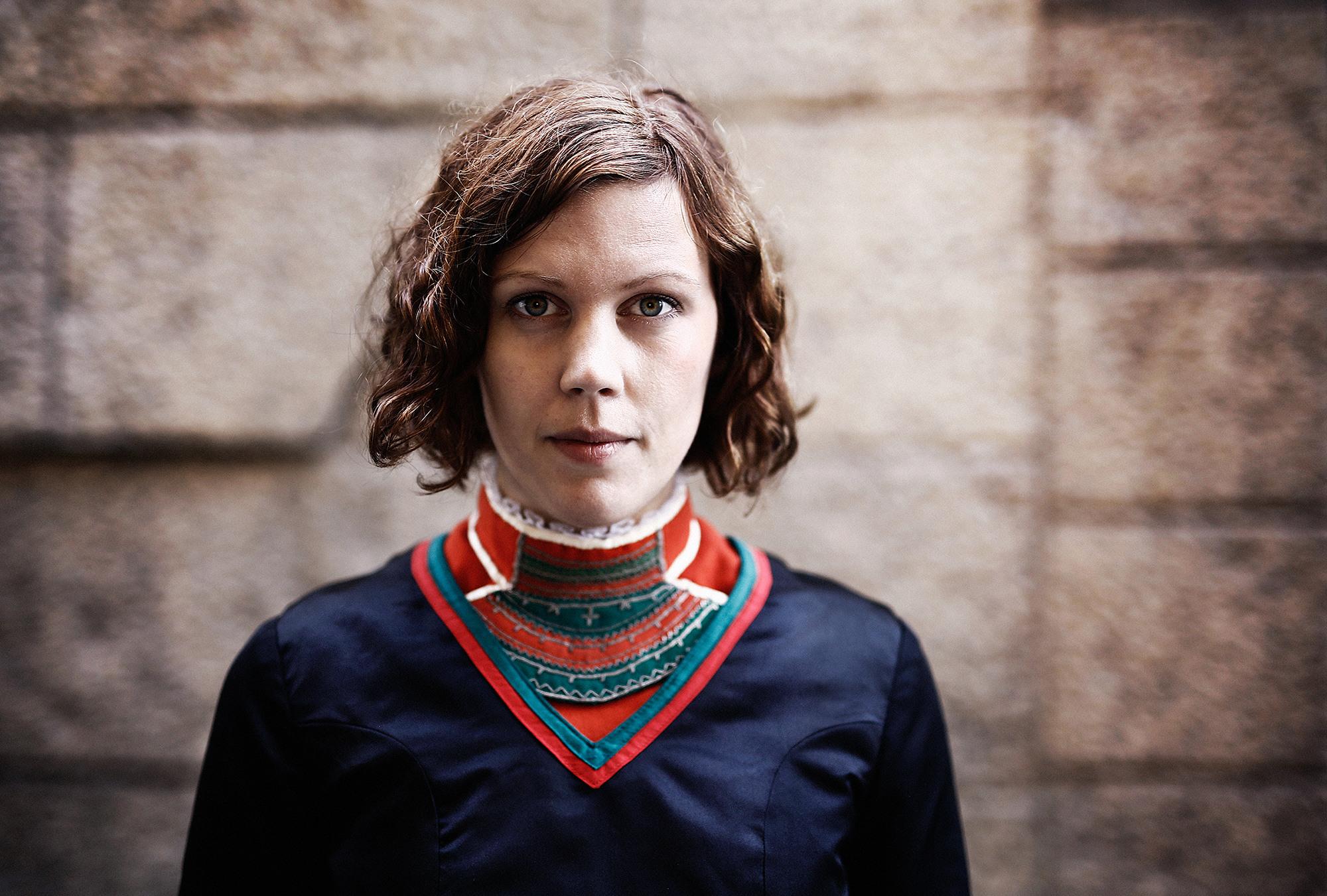
Amanda Kernell made her feature debut with Sami Blood. Photo: Carla Orrego Veliz
Alexander Skarsgård as James Foster in Infinity Pool. Photo: Universal Pictures
Alicia Vikander with her 2016 Oscar. Photo: Paul Buck/EPA/TT
Rebecca Ferguson in Dune: Part Two (2024). Photo: TM © Warner Bros. Entertainment Inc. All Rights Reserved.
Amanda Kernell made her feature debut with Sami Blood. Photo: Carla Orrego Veliz
Alexander Skarsgård as James Foster in Infinity Pool. Photo: Universal Pictures
Alicia Vikander with her 2016 Oscar. Photo: Paul Buck/EPA/TT
Rebecca Ferguson in Dune: Part Two (2024). Photo: TM © Warner Bros. Entertainment Inc. All Rights Reserved.
Amanda Kernell made her feature debut with Sami Blood. Photo: Carla Orrego Veliz
3. Amanda Kernell
After a string of short films, Amanda Kernell’s first feature Sami Blood arrived in 2016. The film explores a dark side of Swedish history – the discrimination of the indigenous Sami population in the 1930s.
Both written and directed by Kernell, the film centres around the struggles of Elle-Marja, a 14-year-old Sami girl who is forced to learn the Swedish language at a boarding school, where she’s also subjected to racial–biological examinations.
Kernell, from Umeå and with Sami heritage herself, was named Best Young Director at the 2016 Venice Film Festival with the feature, which went on to be showered with awards both internationally and on home soil.
Kernell’s follow-up Charter (2020) is a story about a mother who decides to abduct her two children and take them with her to the Canary Islands. This drama was Sweden’s submission for an Academy Award in the Best International Feature Film category in 2021.
4. Dramas and thriller series
One of Sweden’s most talked-about series lately is Young Royals (2021–2024), onto its third and final season on Netflix. This drama about love, betrayal, duty, class, and sexuality has gained a massive global following. Young Prince Wilhelm is portrayed by Edvin Ryding, while his working-class love interest Simon is portrayed by Omar Rudberg. Both are rising stars by now.
There’s the painful drama Caliphate (2020), featuring Gizem Erdogan as Pervin, the Swedish woman who travels with her husband to Syria to join ISIS. The role won Erdogan a best actress award at Kristallen – the Swedish equivalent to the Emmys – and Caliphate was later picked up by Netflix, which brought Erdogan and the series international praise.
And many will also remember The Bridge (2011–2018), the Swedish–Danish production that the BBC ranked as one of the greatest TV series of the 21st century. The opening season begins with the discovery of a dead body on the Öresund Bridge between Sweden and Denmark, which leads to a joint investigation between Swedish and Danish police. Sofia Helin stars in all four seasons as Saga Norén, the Swedish police detective with investigative brilliance and zero social skills.









5. Important Looking Pirates
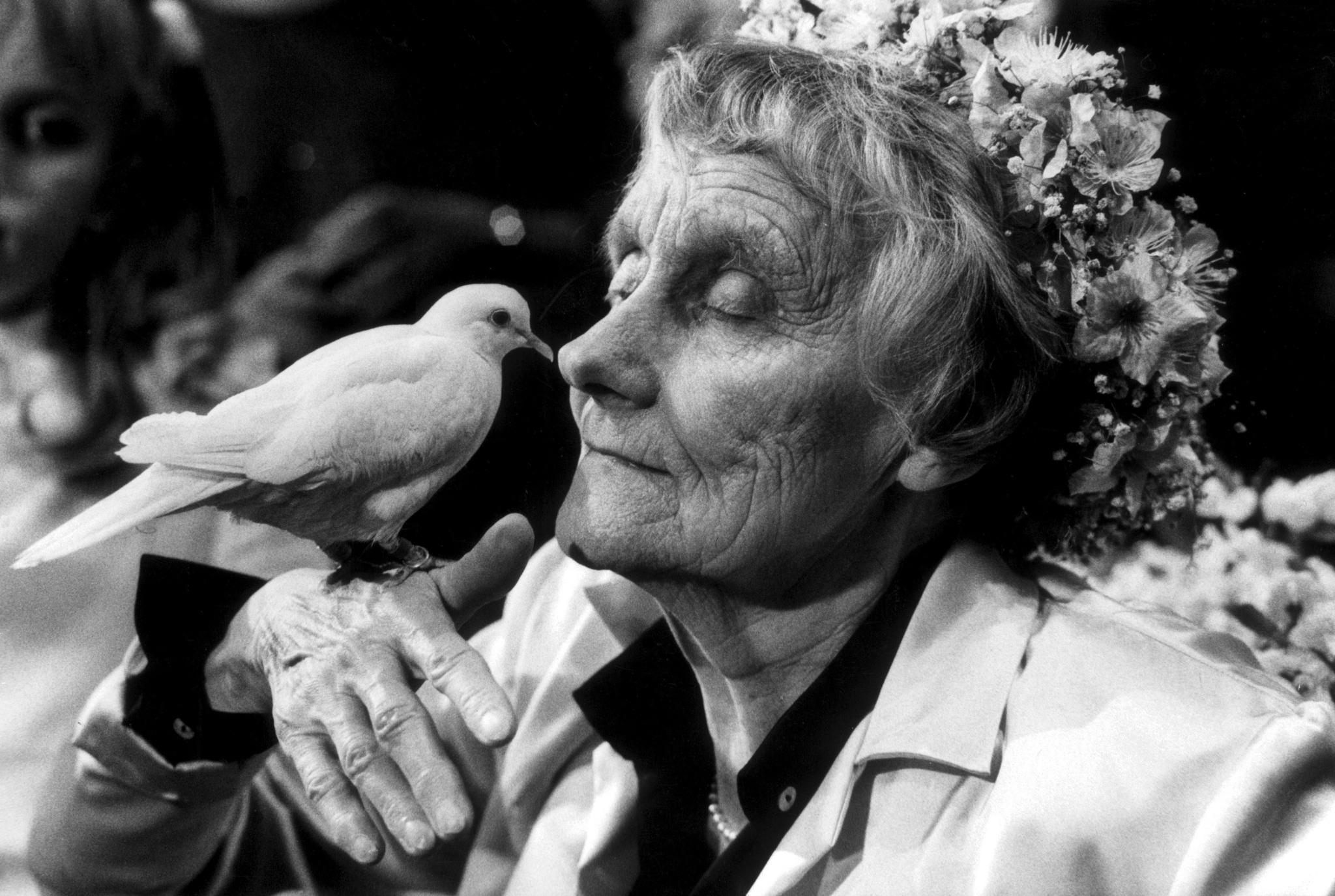
You may not have heard of them, but you’re bound to know the films they’ve been involved in. Stockholm-based studio Important Looking Pirates (ILP) has entertained audiences worldwide with their visual effects and digital animations in Hollywood blockbusters.
Among the films on their resumé: Star Wars: The Last Jedi (2017), Jurassic World: Fallen Kingdom (2018), Star Wars: The Rise of Skywalker (2019), Indiana Jones and the Dial of Destiny (2023), and The Hunger Games: The Ballad of Songbirds and Snakes (2023).
They’ve done plenty of series, too: Crossbones (2014), an adventure-drama about real-life pirate Edward Teach, portrayed by John Malkovich; robot thriller Westworld (season 2, 2018); retro-horror Stranger Things (season 4, 2022); and Ahsoka (2023), a miniseries of the Star Wars franchise.
6. Ludwig Göransson (yup, that’s how we Swedes spell it)
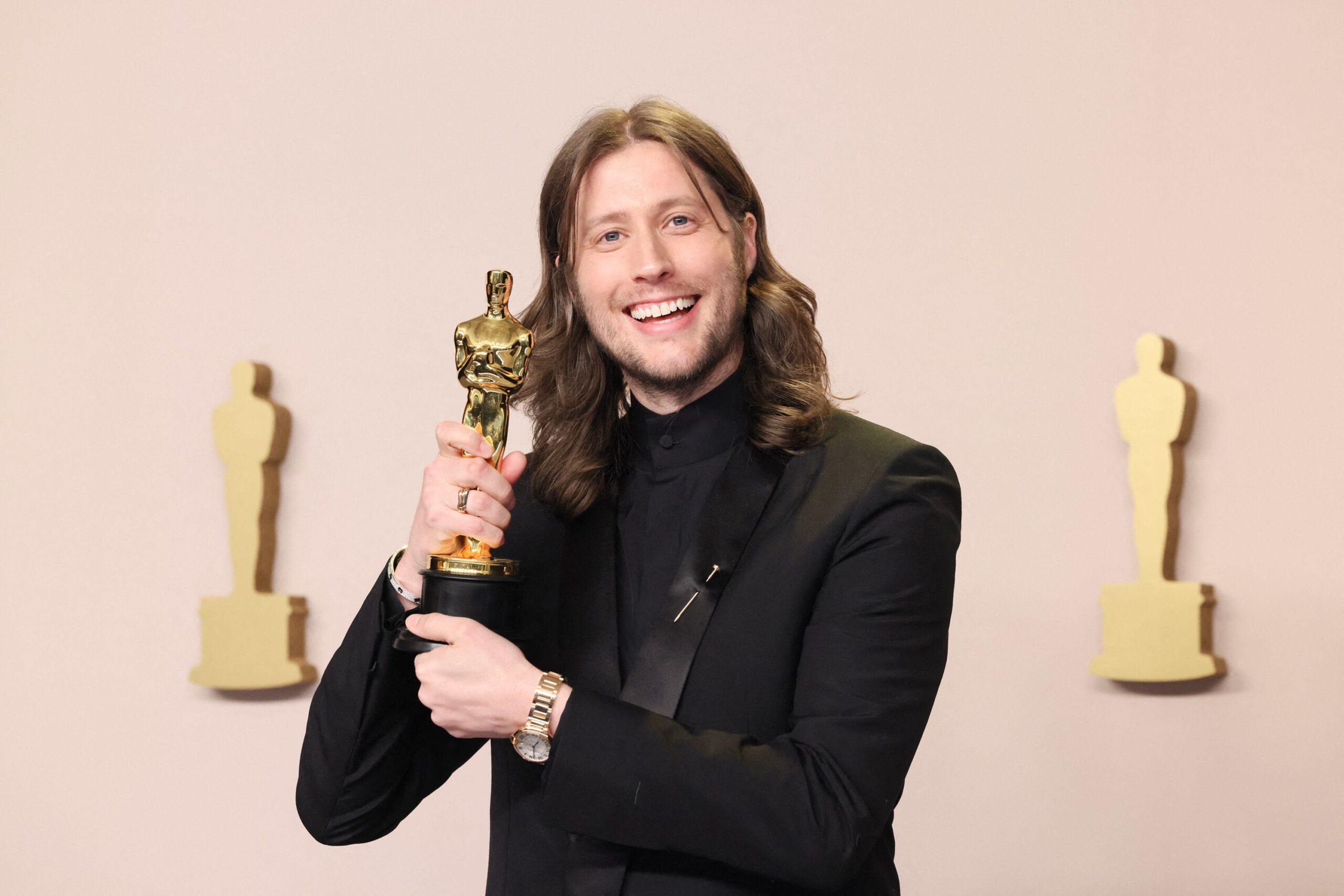
At the 2019 Academy Awards, Swedish film's composer extraordinaire Ludwig Göransson became the first Swede to win an Oscar for best music, for his original score to the film Black Panther (2018). With the same music he also won a Grammy Award for Best Score Soundtrack for Visual Media.
Other blockbusters he's composed music to:
- Creed I & II (2015, 2018)
- Venom (2018)
- Tenet (2020) – which earned Göransson another Best Original Score nomination, at the 2021 Academy Awards.
Göransson has a degree from the Royal College of Music in Stockholm and started working on shorts and television shows while a student at University of Southern California. He had his first real break making the music for the popular sitcom Community (2009–2015).
In 2024, Göransson won his second Best Original Score Oscar, this time for his music in Oppenheimer (2023), Christopher Nolan’s film about American physicist J. Robert Oppenheimer’s role in the development of the atomic bomb. The music also earned him a Best Original Score Golden Globe and an Original Score BAFTA.
7. Rebecca Ferguson
A great introduction to Rebecca Ferguson’s talents is sci-fi epos Dune (2021 and 2024), where she portrays Lady Jessica, the mother of main character Paul Atreides. Here, Ferguson brings a nuanced mix of dignity, strength and warmth to a character that is mother, warrior and mind-reader at once. Following her performance, the film’s director Denis Villeneuve called Ferguson ‘an actress of extraordinary precision’.
A few other examples from Ferguson's career:
- With Hugh Grant, Rebecca Ferguson helped Meryl Streep make us feel really good in Florence Foster Jenkins (2016), the comedy about a New York heiress who lives her dream at Carnegie Hall despite being tone deaf.
- In The Greatest Showman (2017), a biographical drama starring Hugh Jackman as American circus entrepreneur P.T. Barnum, Ferguson sang on the stage of a packed opera, portraying the great Swedish singer Jenny Lind.
- Since 2015, she fights bad guys together with Tom Cruise in the Mission: Impossible film series.
Triangle of sadness – the plot
A celebrity model couple are invited on a luxury cruise, helmed by a not-so-sane captain potrayed by Woody Harrelson. The trip does not go according to plan, to say the least. Fun trivia: The boat scenes were shot on an old yacht that belonged to Aristotle Onassis and Jackie Kennedy.
8. Ruben Östlund
It takes a special kind of talent to make the audience giggle while brooding on the absurdity of human behaviour. Ruben Östlund manages to tip-toe between realism and the absurd, coaxing a laugh here and there as he goes. In his own words, all his films are about people trying to avoid losing face. Artists, suicide jumpers, fathers.
With his parodic approach, Östlund wins over audiences and critics alike. His 2017 release, The Square, won the Palme d’Or at the Cannes Film Festival and was nominated for an Academy Award.
Then in 2022, Östlund joined an exclusive club of two-time Palme d'Or winners with his latest film Triangle of Sadness. This reversal-of-hierarchy comedy went on to dominate the 2022 European Film Awards, winning in the cateogries best film, director, actor and screenwriter. And at the 2023 Academy Awards, Östlund was nominated for Best Director and Best Original Screenplay, with Triangle of Sadness also nominated for Best Film.
Filming of his next project, The entertainment system is down, is planned to start in 2024. How the film finally turns out, we can only imagine, but Östlund never stops to surprise us.
9. Tarik Saleh
‘What motivates me is to create something I myself yearn to watch,’ Tarik Saleh has said in an interview. And what he wants to watch is apparently almost always daunting.
From co-directing two charged documentaries with Erik Gandini – one about the death of Che Guevara, Sacrificio: Who Betrayed Che Guevara (2001), and then Gitmo (2005) about interrogation methods at Guantánamo Bay – he moved on to create Metropia (2009), a dystopian computer-animated drama that landed him an award from Venice.
Other films Saleh has directed:
- The Nile Hilton Incident (2017), a crime thriller set in Cairo. The film is in Arabic, a language Saleh barely speaks, but it nevertheless earned him a Grand Jury Prize at Sundance.
- The Contractor (2022) – Saleh’s first American film – stars Chris Pine as a discharged US Special Forces sergeant who puts his family at risk by joining a private contracting organisation.
- Boy from Heaven (2022), is also set in Cairo. This thriller about religious power struggles in Egypt earned Saleh the Best Screenplay award at the 2022 Cannes Film Festival.
10. Tuva Novotny
Few Swedish film actors can match the versatility of Tuva Novotny. She moves comfortably between roles in Swedish, Norwegian and Danish, not to mention English, in which she’s held her own alongside Julia Roberts (Eat, Pray, Love) and Natalie Portman (Annihilation). But Novotny will not limit herself to just acting and is now also establishing herself as a director.
Novotny's director's accomplishments include:
- Blind Spot (2018) Novotny’s debut feature. A grave drama, dealing with mental illness – all shot in one take. It’s in Norwegian, and written by none other than Novotny herself.
- Britt-Marie was here (2019), with Pernilla August in the lead role. Novotny's first film in Swedish, this feelgood drama tells the story of recently divorced Britt-Marie, who at the age of 63 gets a fresh start in life by getting to coach a young football team. It is based on a novel by Swedish best-selling author Fredrik Backman.'
- Diorama (2022), her third feature, which follows the love story of Frida and Björn in phases, from a scientific perspective.
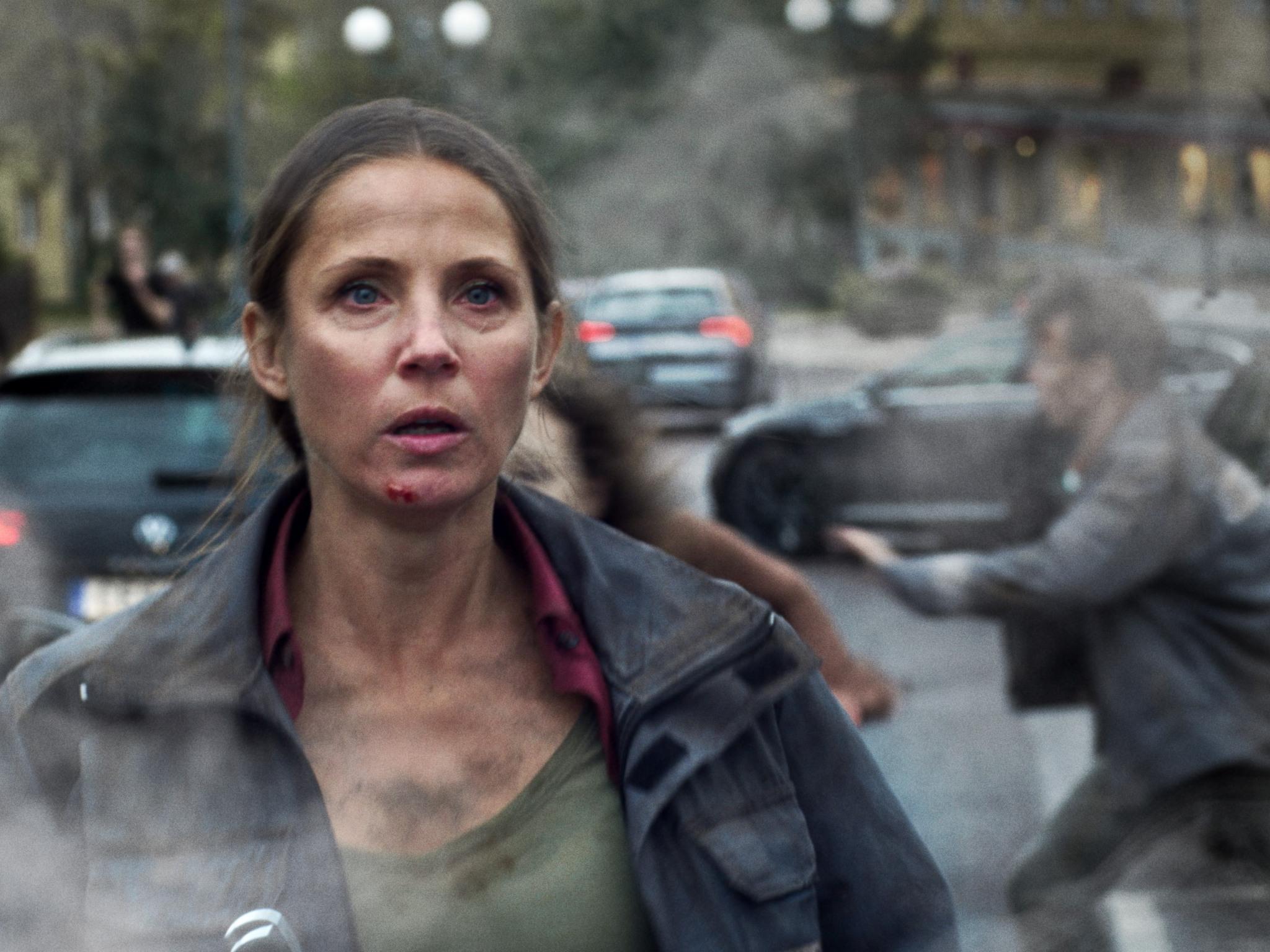
In 2023, Novotny played the lead in The Abyss ('Avgrunden'), a disaster film set in the mining town of Kiruna, way up north in Sweden. The film also features, among others, Young Royals star Edvin Ryding.